HEARING DIAGNOSTIC HUB
We usually reply within minutes
We usually reply within minutes
Comprehensive care from diagnosis to rehabilitation — all under one roof in Chhindwara.
Hearing testing helps identify hearing problems by measuring your ability to hear sounds at different pitches and volumes. It enables audiologists to diagnose hearing loss and recommend appropriate treatment or hearing solutions.
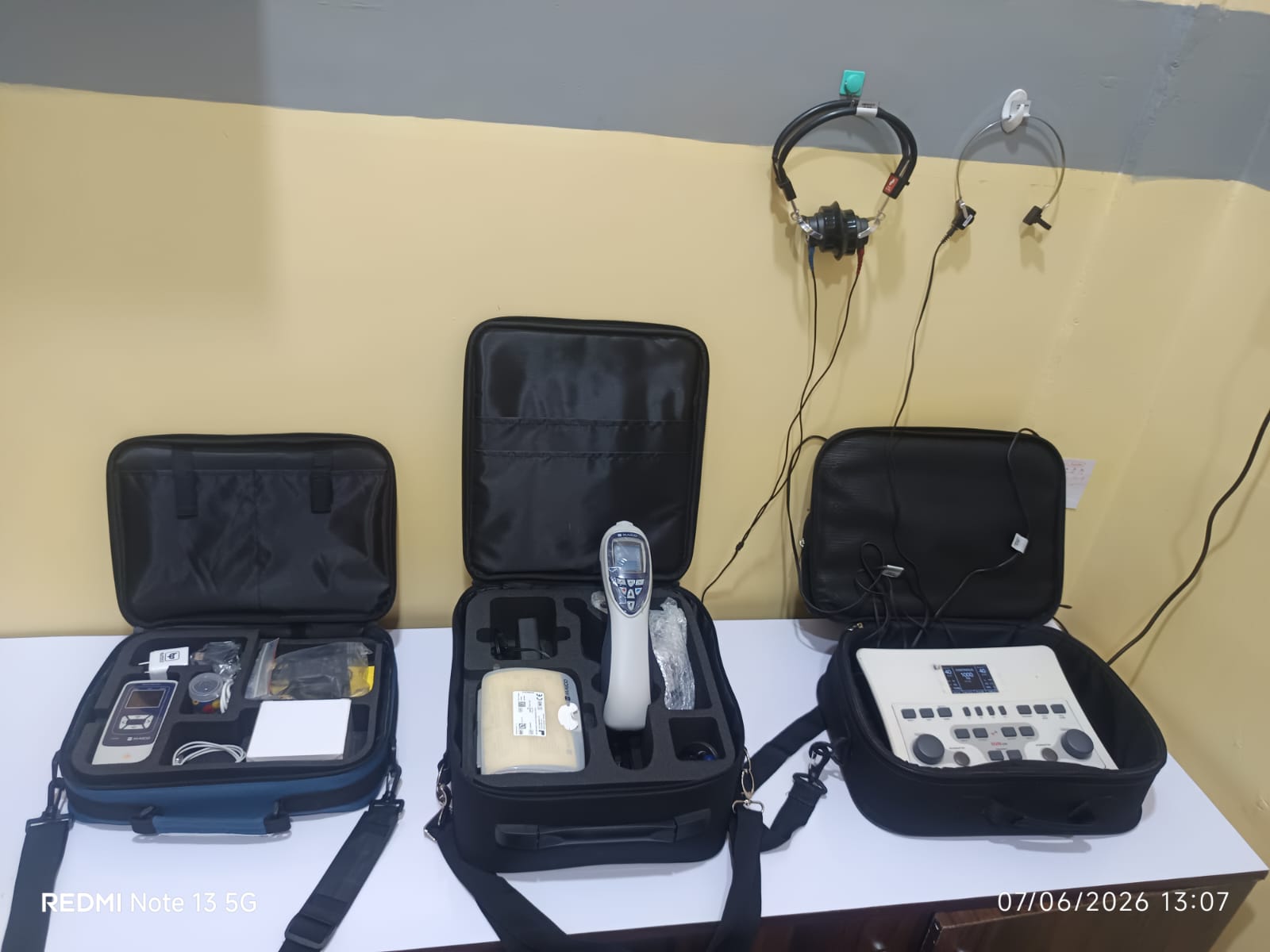
Pure Tone Audiometry (PTA) is a standard hearing test used to determine the softest sounds a person can hear at different frequencies (pitches). It helps identify the type, degree, and configuration of hearing loss in each ear. During the test, the patient wears headphones and responds whenever a sound is heard. PTA is a safe, painless, and reliable method for evaluating hearing sensitivity and planning appropriate treatment or hearing aid recommendations.
Immittance Audiometry (Tympanometry) is a quick, safe, and painless test used to assess the function of the middle ear and eardrum. The test measures how the eardrum responds to changes in air pressure and helps identify conditions such as middle ear fluid, ear infections, Eustachian tube dysfunction, perforated eardrum, and ossicular abnormalities.
Acoustic Reflex Testing evaluates the automatic contraction of the middle ear muscles in response to loud sounds. This test provides valuable information about the integrity of the auditory pathway, middle ear function, and facial nerve function. It helps in the diagnosis of various hearing and neurological disorders.
Aided Audiometry is a hearing assessment performed while the patient is wearing hearing aids or other amplification devices. The test measures the benefit provided by the hearing aid, helping to determine how effectively the device improves hearing and speech understanding in everyday listening situations.
Tinnitus Assessment is a comprehensive evaluation conducted to understand the nature and severity of tinnitus (ringing, buzzing, hissing, or other sounds in the ears). The assessment helps identify possible underlying causes, determine the impact of tinnitus on daily life, and guide appropriate management and treatment strategies.
Speech Audiometry is a specialized hearing assessment that evaluates a person's ability to detect, recognize, and understand speech. It provides important information about communication abilities and helps in the diagnosis of hearing disorders as well as hearing aid fitting and rehabilitation planning.
Word Recognition Score (WRS) measures how accurately a person can understand and repeat spoken words presented at a comfortable listening level. It helps assess speech clarity and auditory processing abilities.
Speech Discrimination Score (SDS) evaluates the ability to distinguish and correctly identify speech sounds and words. It provides information about how clearly speech is perceived, even when sounds are loud enough to hear.
Speech Awareness Threshold (SAT) is the lowest level at which an individual can detect the presence of speech without necessarily understanding the words. It is particularly useful for testing young children and individuals who cannot perform conventional speech recognition tasks.
Uncomfortable Loudness Level (UCL) determines the intensity at which sound becomes uncomfortably loud for the listener. This information is important for hearing aid programming and loudness management.
Most Comfortable Level (MCL) is the sound intensity level at which speech is heard most comfortably by the listener. It helps in hearing aid fitting and optimizing listening comfort during communication.
SISI is used to assess a person's ability to detect very small increases in sound intensity. It helps differentiate between cochlear (sensory) and retrocochlear (neural) hearing disorders. High SISI scores are commonly associated with cochlear hearing loss.
TDT evaluates the ability to continuously hear a tone over a period of time. It is primarily used to detect retrocochlear pathology, such as auditory nerve lesions. Significant tone decay may indicate neural involvement in hearing impairment.
ABLB is used to identify the presence of recruitment in individuals with unilateral hearing loss. The test compares loudness perception between the normal ear and the impaired ear. It is particularly useful in diagnosing cochlear hearing disorders.
MLB assesses loudness perception within the same ear at different intensity levels. It is commonly used when both ears have hearing loss and ABLB cannot be performed. The test helps evaluate loudness recruitment and cochlear function.
Pediatric / Objective Hearing Assessment
Free-Field Audiometry is a hearing assessment performed using speakers in a sound-treated room instead of headphones. It is commonly used for infants, young children, and individuals who cannot reliably respond during conventional hearing tests. The test evaluates hearing responses to sounds presented in a natural listening environment.
BOA is a behavioral hearing assessment used for newborns and infants up to approximately 6 months of age. The audiologist observes the baby's responses to sound, such as eye widening, blinking, startle reflex, or changes in sucking behavior. It provides preliminary information about hearing sensitivity.
OAE is a quick, objective, and non-invasive test that evaluates the function of the cochlea (outer hair cells). It is widely used for newborn hearing screening and early detection of hearing loss. The test does not require any active participation from the child.
BERA/ABR is an objective test that measures the auditory nerve and brainstem's response to sound stimuli. It is commonly used for infants, young children, and difficult-to-test patients to estimate hearing thresholds and identify auditory pathway abnormalities.
ASSR is an advanced electrophysiological hearing test used to estimate frequency-specific hearing thresholds objectively. It is particularly useful for assessing severe to profound hearing loss in infants and young children and for hearing aid fitting and cochlear implant candidacy evaluation.
Electrocochleography (ECochG) is a diagnostic test that measures the electrical responses generated by the inner ear (cochlea) and auditory nerve in response to sound stimulation. It is commonly used in the evaluation of Ménière's disease, endolymphatic hydrops, and certain inner ear disorders.
Vestibular Evoked Myogenic Potentials (VEMP) is a specialized test used to assess the function of the otolith organs (saccule and utricle) and their associated vestibular pathways. It helps diagnose vestibular disorders, balance problems, and superior semicircular canal dehiscence.
ENG and VNG are comprehensive vestibular tests used to evaluate the function of the balance system by recording and analyzing eye movements. These tests help identify the cause of dizziness, vertigo, imbalance, and vestibular disorders.
Tinnitus Therapy is a specialized rehabilitation program designed to help individuals manage the effects of tinnitus, commonly experienced as ringing, buzzing, hissing, or other sounds in the ears. The therapy may include counseling, sound therapy, tinnitus retraining techniques, and hearing aid support to reduce tinnitus-related distress and improve quality of life.
Vestibular Therapy is a customized rehabilitation program for individuals experiencing dizziness, vertigo, imbalance, and vestibular disorders. Through specific exercises and balance training techniques, vestibular therapy helps improve stability, reduce dizziness symptoms, enhance mobility, and support recovery of the balance system.
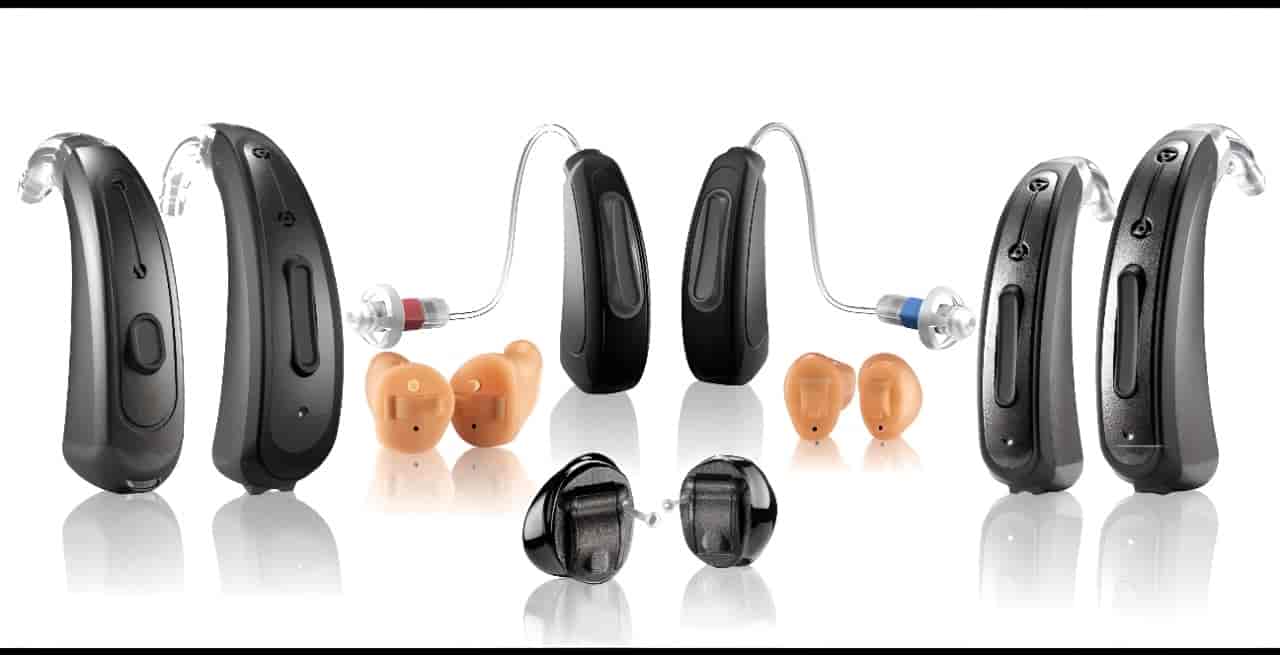
BTE hearing aids are worn behind the ear and connected to an earmold or thin tube placed inside the ear canal. They are suitable for mild to profound hearing loss and are known for their durability, powerful amplification, and ease of handling. BTE devices are commonly recommended for both children and adults. They also offer advanced features such as Bluetooth connectivity and rechargeable options.
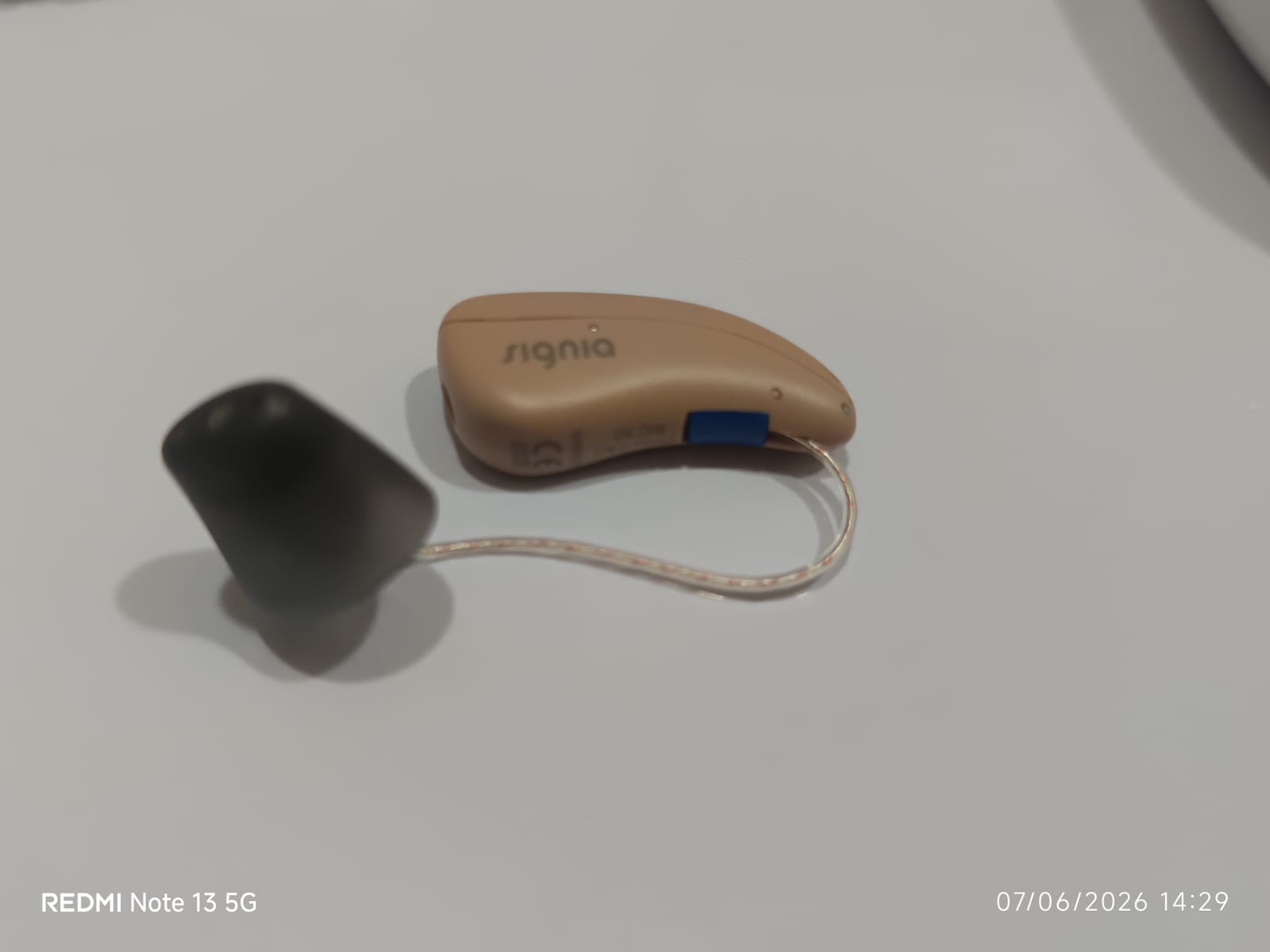
Mini BTE hearing aids are a smaller and more discreet version of traditional BTE devices. They fit comfortably behind the ear and use a thin tube to deliver sound into the ear canal. These hearing aids provide excellent sound quality while maintaining a cosmetically appealing appearance. Mini BTE models are lightweight, comfortable, and suitable for individuals with mild to severe hearing loss.
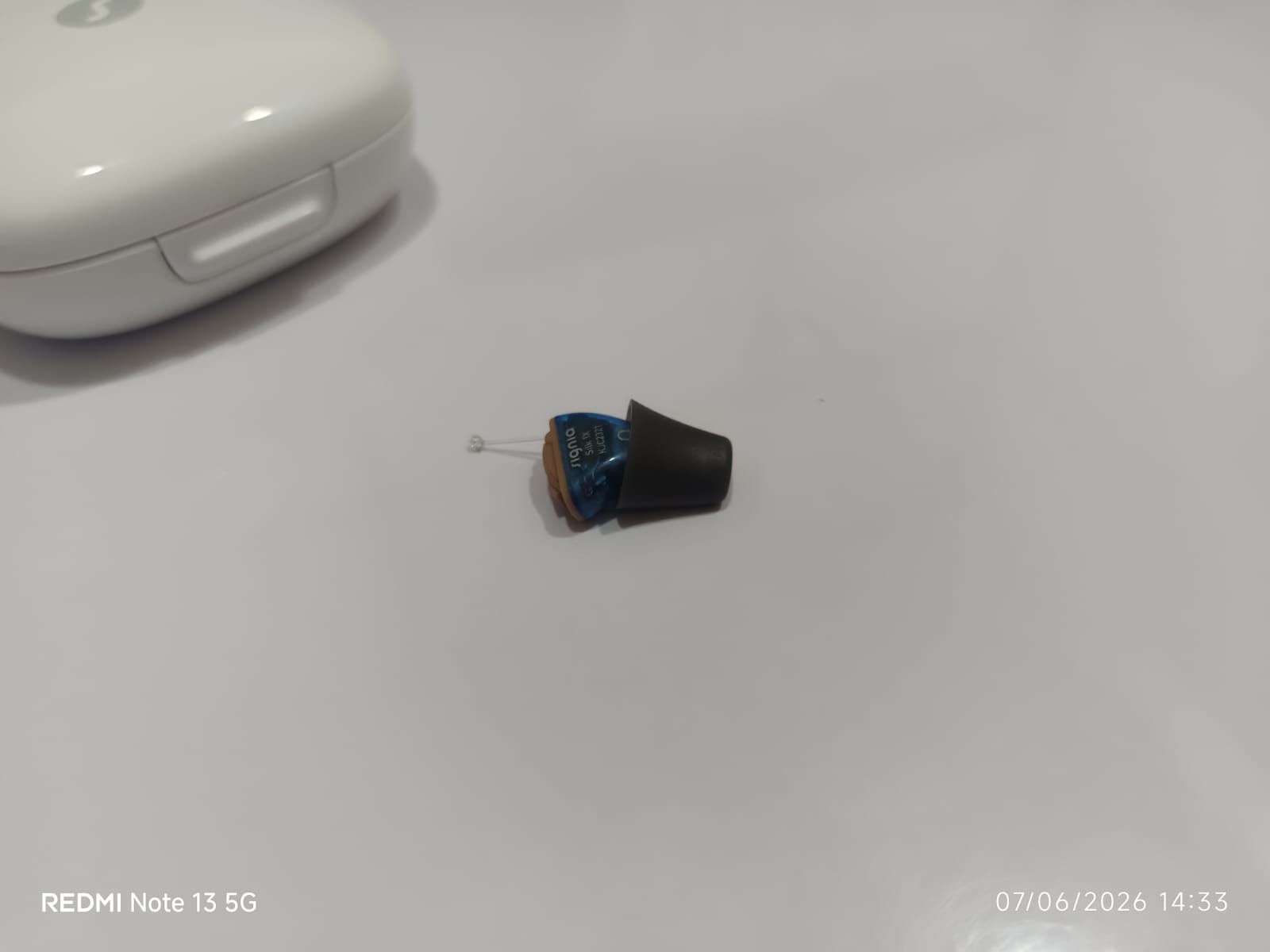
RIC hearing aids feature a receiver (speaker) placed directly inside the ear canal while the main body sits discreetly behind the ear. This design provides a natural sound experience and improved speech clarity. RIC devices are among the most popular hearing aids due to their comfort, cosmetic appeal, and advanced technology options. They are suitable for a wide range of hearing losses.
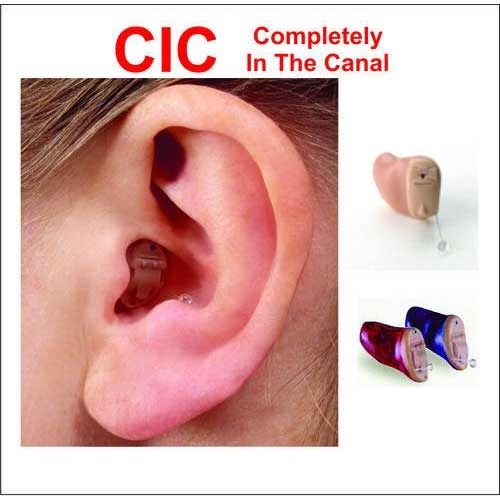
CIC hearing aids are custom-made devices that fit deep inside the ear canal, making them nearly invisible when worn. Their small size offers excellent cosmetic appeal and reduces wind noise during outdoor activities. CIC hearing aids are designed primarily for individuals with mild to moderate hearing loss. Because of their compact design, they require good manual dexterity for handling and maintenance.
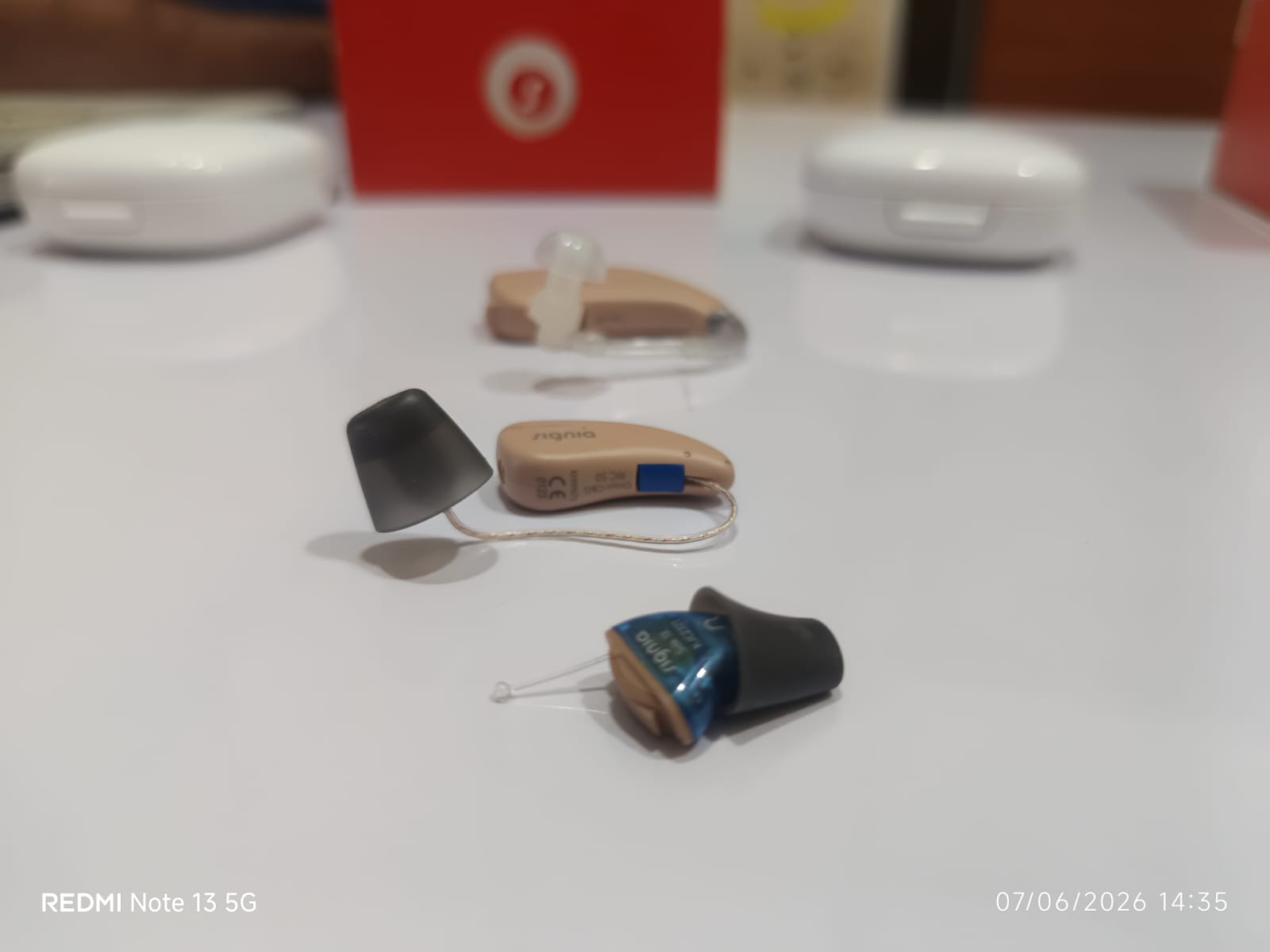
ITC and ITE hearing aids are custom-made devices that fit partially or completely within the outer ear. They provide a balance between visibility, comfort, and performance while offering more controls and features than smaller custom devices. These hearing aids are suitable for mild to severe hearing loss and can accommodate features such as volume control, directional microphones, and wireless connectivity.
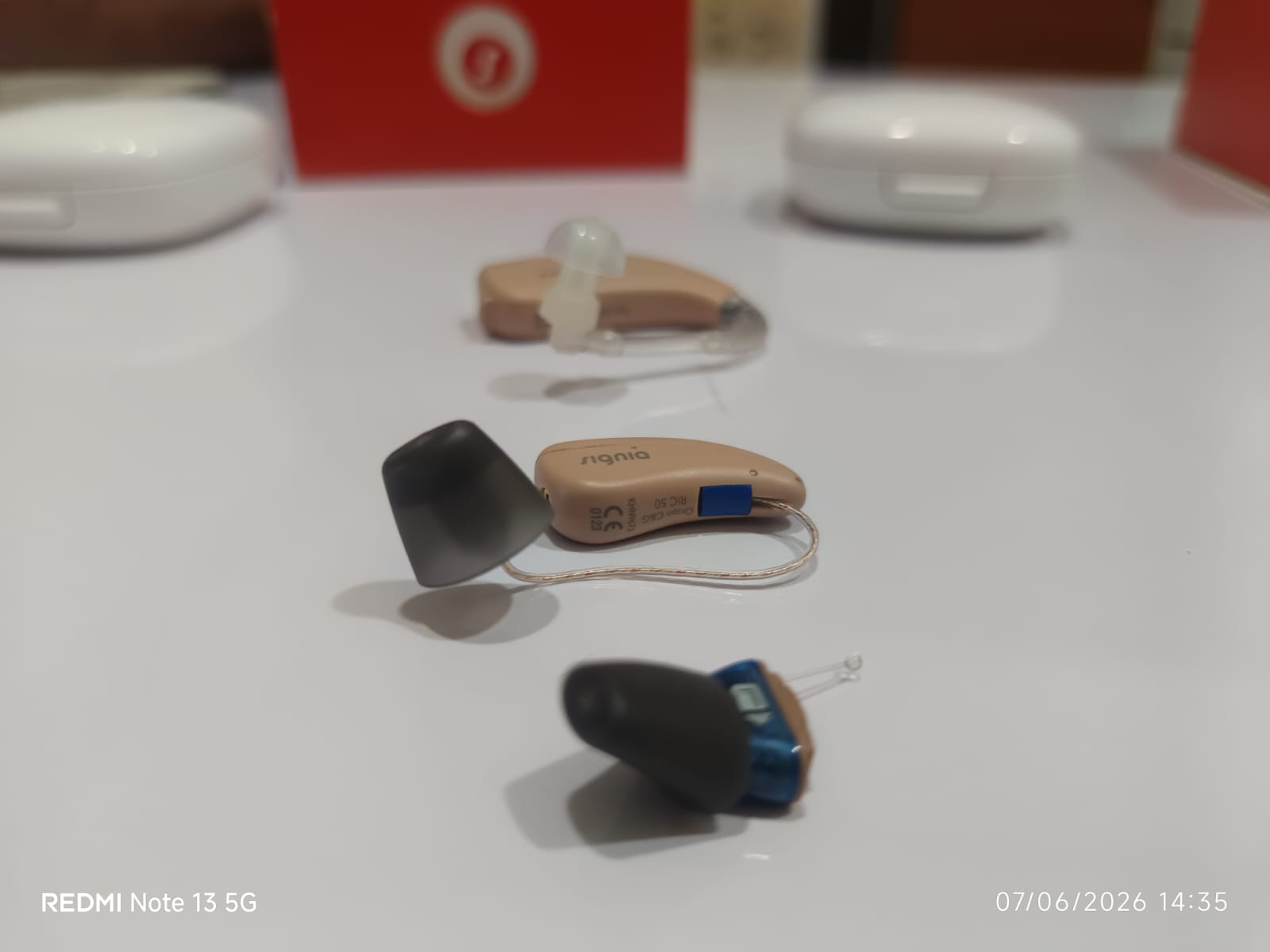
Rechargeable hearing aids are modern hearing devices equipped with built-in rechargeable batteries, eliminating the need for frequent battery replacement. They can be easily charged overnight using a charging station and provide a full day of hearing support on a single charge. These devices are available in various styles, including BTE and RIC models, and offer advanced features such as Bluetooth connectivity, noise reduction, and smartphone compatibility.
Speech-Language Assessment is a comprehensive evaluation of an individual's speech, language, communication, voice, fluency, and related skills. It helps identify speech and language delays, articulation disorders, stammering, language difficulties, and other communication challenges. Based on the assessment findings, an individualized intervention plan is developed to address specific needs and achieve effective communication outcomes.
Speech-Language Therapy is a personalized treatment program designed to improve speech clarity, language development, communication skills, fluency, and social interaction. Therapy is beneficial for children and adults with speech delays, articulation disorders, autism spectrum disorder, stammering, language disorders, and neurological conditions. Sessions are tailored to the individual's age, abilities, and communication goals to maximize progress and confidence.
Voice Therapy is a specialized rehabilitation program aimed at improving voice quality, pitch, loudness, and vocal endurance. It is recommended for individuals experiencing hoarseness, vocal strain, voice fatigue, vocal cord disorders, or professional voice users such as teachers and singers. Through structured exercises and vocal hygiene techniques, voice therapy helps restore healthy voice production and enhance vocal performance.
Stuttering (Stammering) is a fluency disorder characterized by repetitions, prolongations, or interruptions (blocks) during speech. It can affect communication confidence and social interactions in both children and adults. Speech therapy focuses on improving speech fluency, reducing speaking anxiety, and developing effective communication strategies. Early intervention can significantly improve speech outcomes and self-confidence.
Articulation disorders occur when an individual has difficulty producing certain speech sounds correctly, making speech unclear or difficult to understand. Common examples include substituting, omitting, distorting, or adding sounds during speech. These difficulties may affect communication, academic performance, and social interactions. Speech therapy helps improve speech sound production, clarity, and overall intelligibility.
Hearing impairment can significantly impact speech, language, and communication development, particularly in children. Individuals with hearing loss may experience difficulties understanding speech, learning language, and interacting effectively with others. Early diagnosis, appropriate amplification through hearing aids or cochlear implants, and speech-language rehabilitation are essential for developing effective communication skills and improving quality of life.
Autism Spectrum Disorder (ASD) can affect communication, language development, social interaction, and behavioral skills. Children with autism may experience delays in speech and language, difficulty understanding social cues, or challenges in expressing their needs effectively. Speech-language therapy focuses on improving communication, social skills, language comprehension, and functional communication for everyday life.
Down Syndrome is a genetic condition that may affect speech, language, cognitive development, and communication abilities. Children with Down Syndrome often benefit from early speech and language intervention to improve communication skills, speech clarity, vocabulary, and social interaction. Therapy programs are tailored to the child's developmental level and specific needs. Early and consistent intervention can significantly enhance communication outcomes and quality of life.
Auditory Verbal Therapy (AVT) is a specialized listening and spoken language intervention designed for children with hearing loss who use hearing aids or cochlear implants. The therapy emphasizes developing listening skills through the effective use of residual hearing and amplification technology. Parents play an active role in the therapy process, helping children learn spoken language through everyday listening experiences.
Aphasia is an acquired language disorder that affects a person's ability to speak, understand, read, and write. It commonly occurs after a stroke, traumatic brain injury, or other neurological conditions. Individuals may have difficulty finding words, forming sentences, or understanding conversations. Speech-language therapy helps restore communication skills and improve daily functioning.
Dysphagia is a swallowing disorder that can make eating and drinking difficult or unsafe. It may result from stroke, neurological disorders, head and neck conditions, or age-related changes. Symptoms may include coughing while eating, choking, or a sensation of food getting stuck. Assessment and therapy help improve swallowing safety, nutrition, and overall quality of life.
Dysarthria is a motor speech disorder caused by weakness or poor coordination of the muscles involved in speech production. Speech may become slurred, slow, soft, or difficult to understand. It is commonly associated with stroke, Parkinson's disease, cerebral palsy, and other neurological conditions. Speech therapy focuses on improving speech clarity, voice quality, and communication effectiveness.
Send us a message on WhatsApp and we'll guide you.
Get Free Guidance on WhatsApp